REPLICA 1872 BALDWIN NUMBER PLATE No. 11
V&T Enterprises
Replica number plate with livery Baldwin Wine Color on the No. 11 Reno by V&T Enterprises.
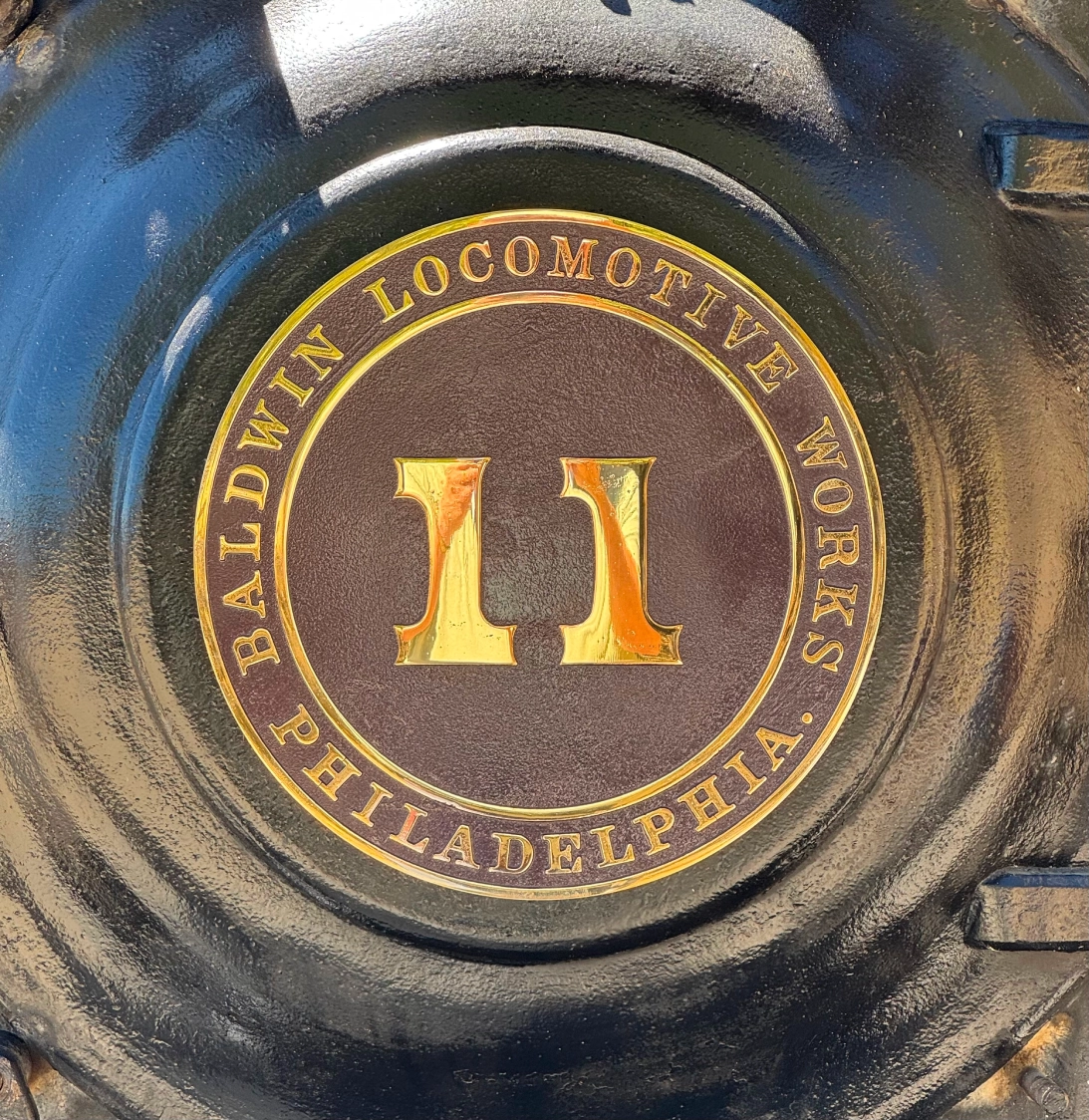
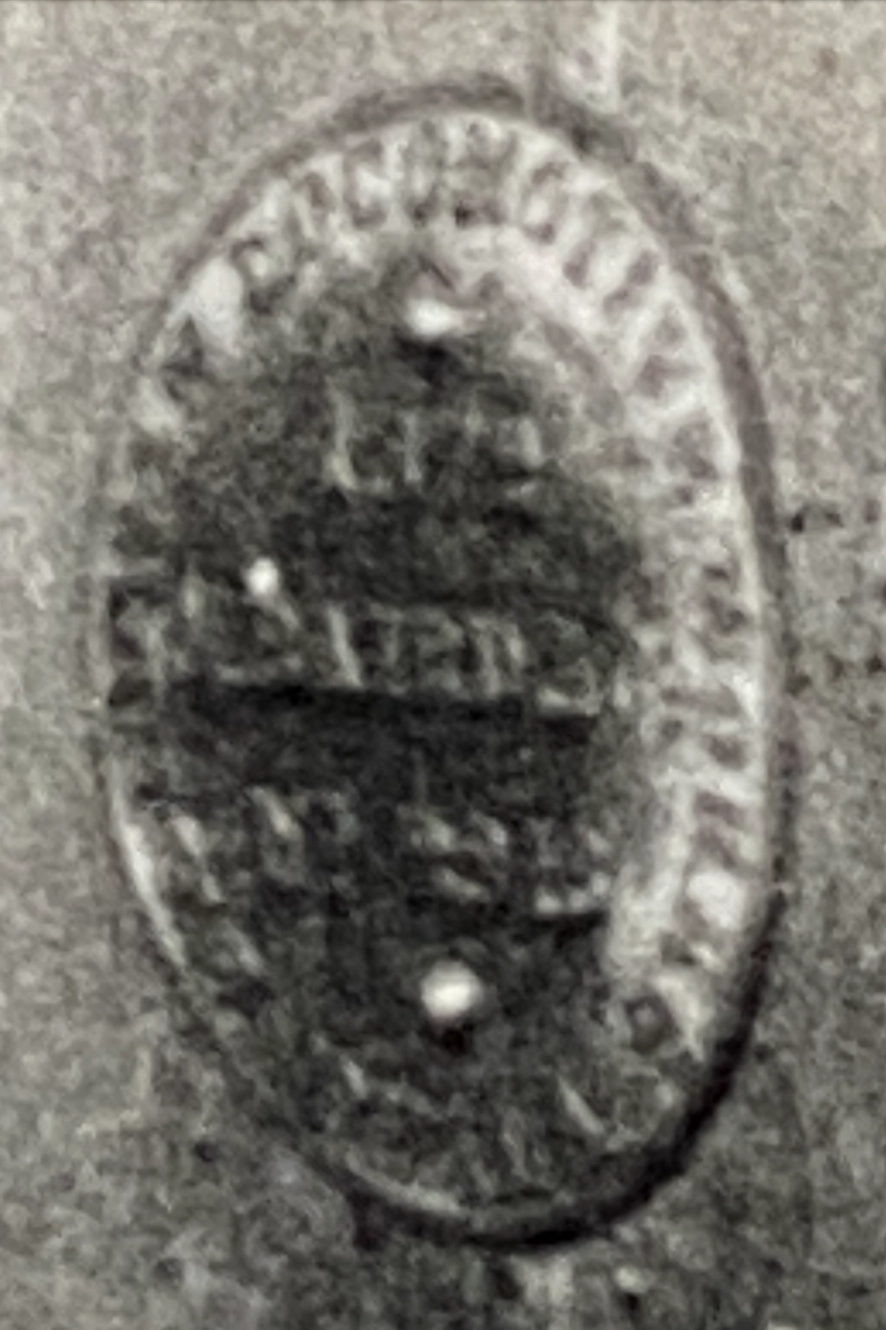
The earliest known image of the Virginia & Truckee No. 11 Reno with it’s number plate is the Carleton E. Watkins photo of the Lightning Express train taken at the Carson City depot during the winter of 1877-1878. The locomotive at that time, turned out by Baldwin on May 30, 1872, was about six years old then. In this photo, with snow dusting the station platform planks and accumulating around the builder plate BLW lettering, the number plate figures prominently with surrounding “Baldwin Locomotive Works” and “Philadelphia” names in raised lettering.
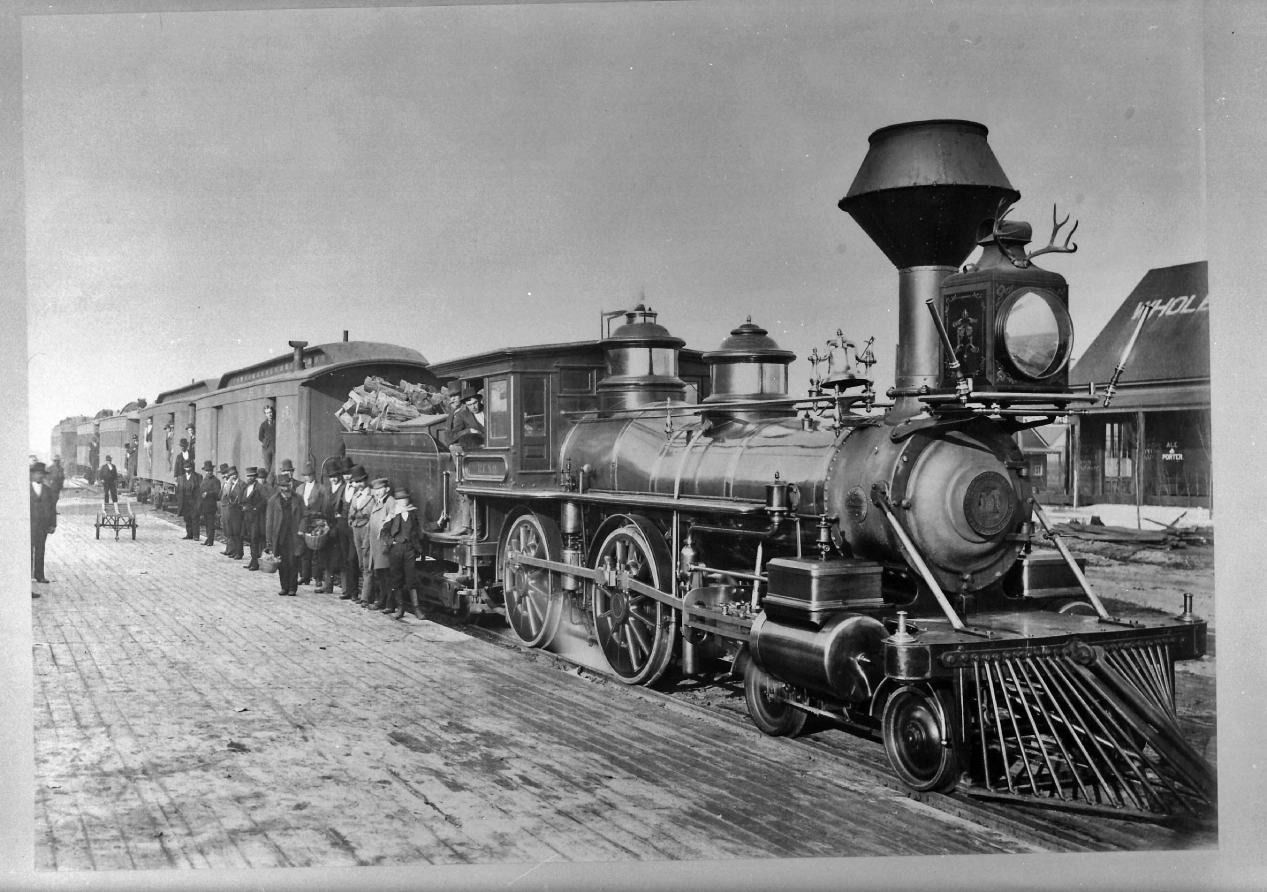
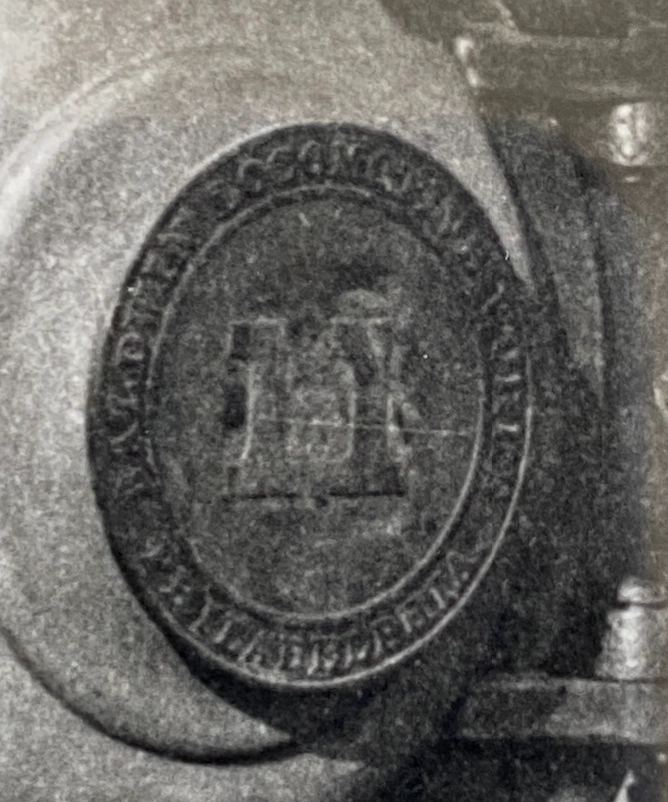
Top: Lightning Express at the Carson City depot, 1877-1878. Courtesy Nevada State Museum.
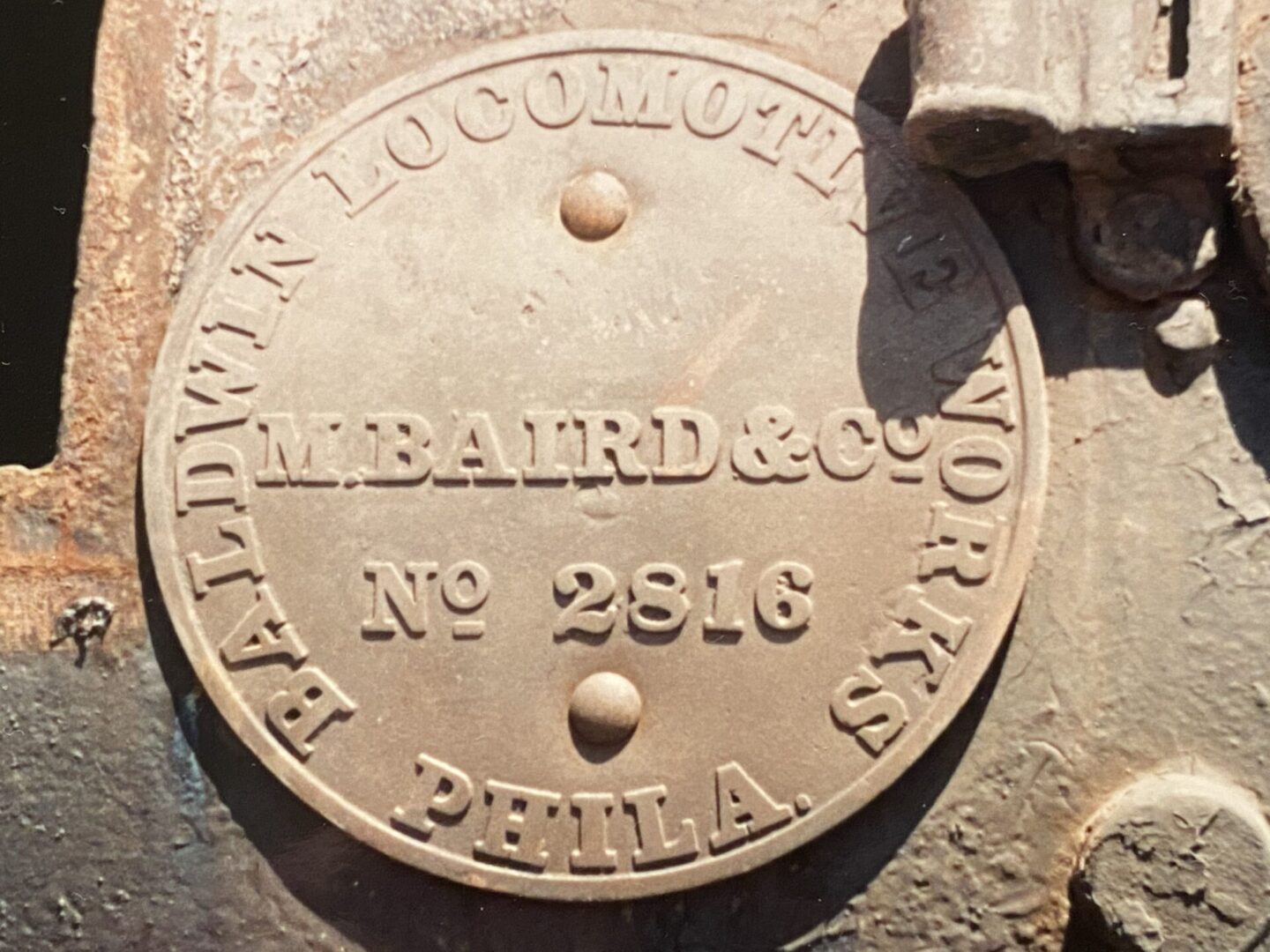
Left: builder plate, BLW Phila. 1872/M. Baird & Co and No 2816. Right: number plate, BLW Phila. 11.
Specifically, the painting around the lettering and stylized “11” numerals is a dark hue. This same base painting on the engine and its number plate in this photo is believed to be similar to but not the same as the original deep Lake Color found in the Baldwin Locomotive Works Style book for locomotive painting and detail for this early 1870s period.
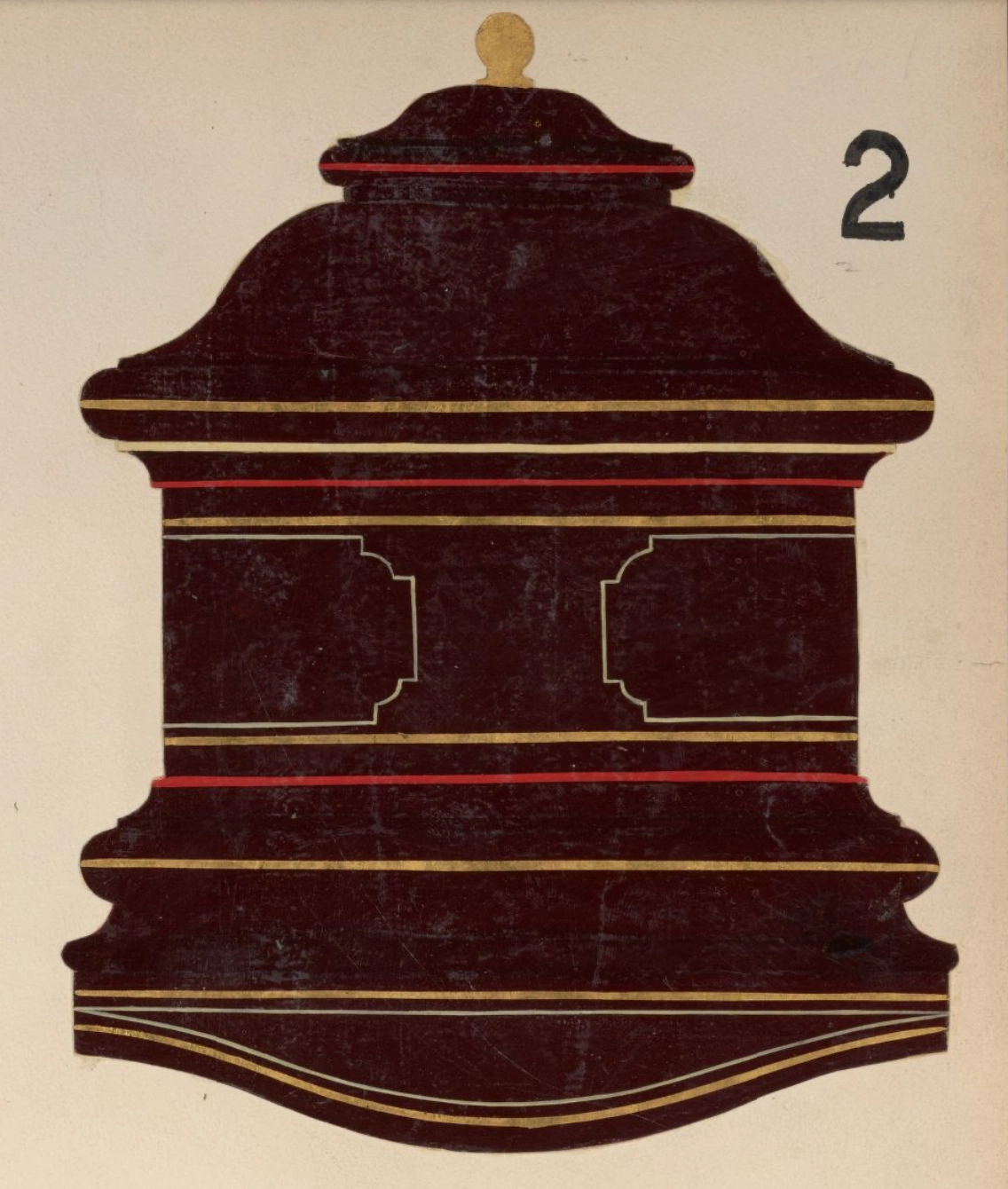
Baldwin Lake Color as painted on a No. 2 Style sand dome drawing. Style book for locomotive painting detail, Volume 1, p. 64, Baldwin Locomotive Works Records, M0015, Dept. of Special Collections, Stanford Libraries, Stanford, California. Note that Baldwin replaced Wine Color with Lake Color in early 1875 under the same Style numbers. The 1880 Style Books actually appear to be using the Lake Color samples and not the Wine Color samples.
Archeological paint research conducted on two separate metal and wood samples taken from the 1875 engine Glenbrook in 2012 by the Conservation Center of the Los Angeles County Museum of Art confirmed its livery Baldwin Wine Color along with its CIE L*a*b* color coordinates. Baldwin Wine Color is a lighter maroon-brown hue when compared to the darker purple-brown hue of Lake Color, based on paint chips of these two colors. Wine Color was used by Baldwin between 1867 and 1875, when it was replaced with Lake Color. Recent research published on the Reno’s livery is discussed by the author in his 2025 second edition book titled “Best Passenger”.
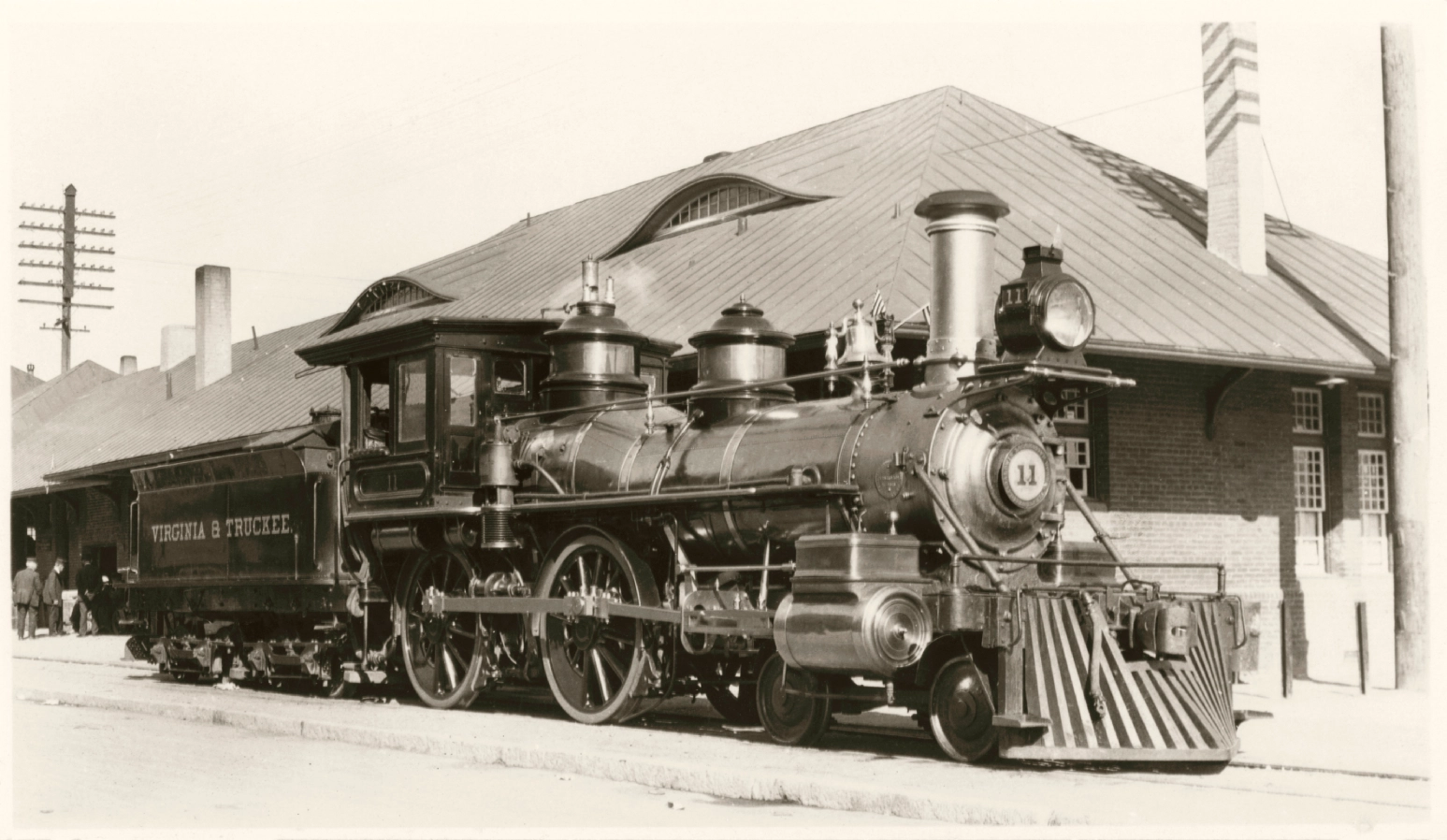
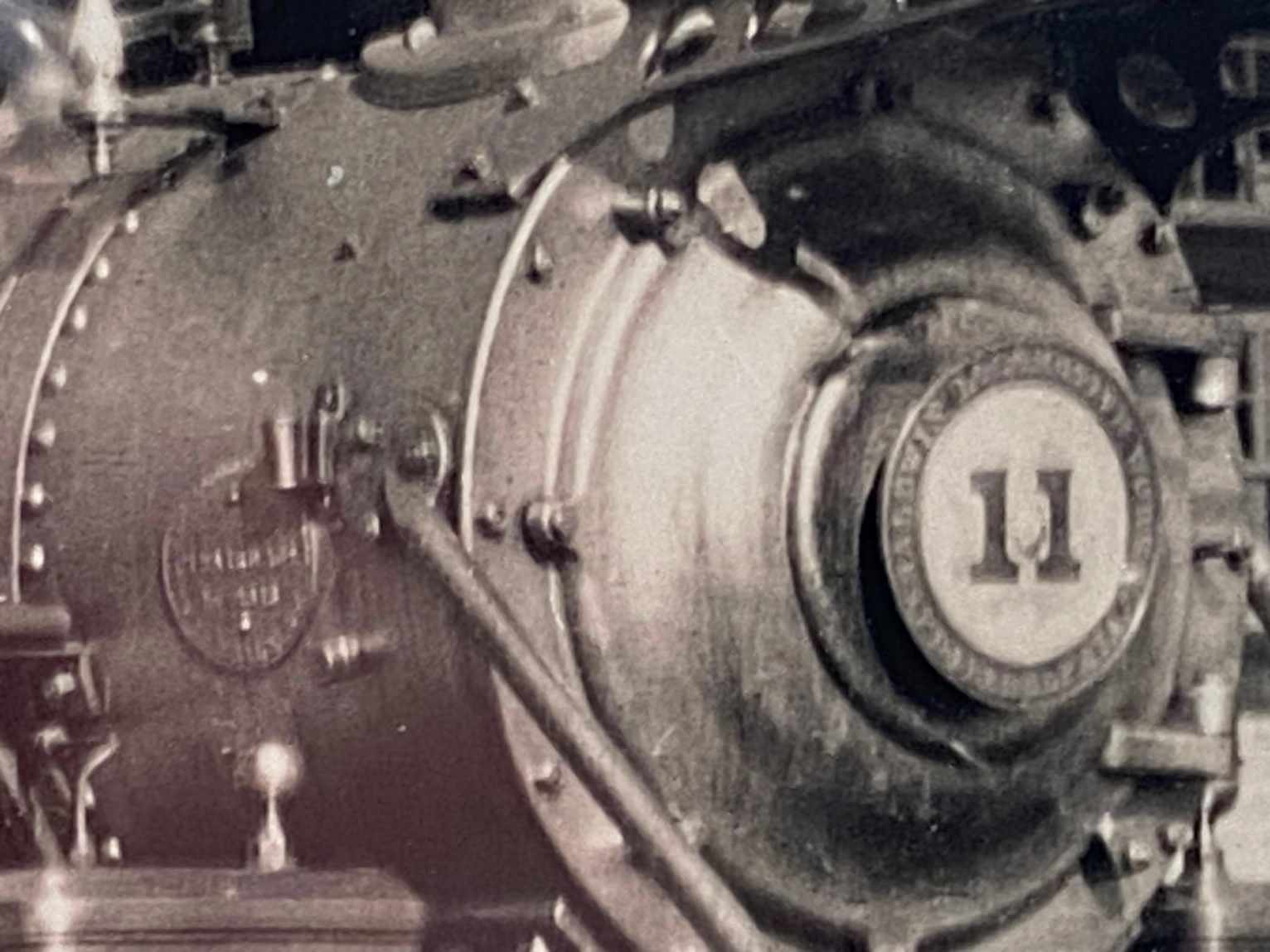
Top: V&T No. 11 Reno at the Southern Pacific depot in Reno, Nevada, 1908. Fred Jukes photo.
Bottom: Builder plate and number plate detail. Note missing “1872” date on the builder plate. Daryl D. DiBitonto Collection.
In addition, there is evidence in the Fred Jukes photo detail above that the rear mounting boss on the plate is partially torn through the front surface between the “11” numerals (see the lower dark crescent in the Jukes photo). The current No. 11 number plate artifact indeed is not entirely flat and is bent 1/2” inward from its otherwise flat face, indicating an impact or collision that may have ruptured the plate when the Reno was overturned in a serious smashup by the Winters Crossing in Washoe Valley on January 30, 1882. There are also three small holes drilled into the plate, presumably to mount a different engine number for filming purposes.
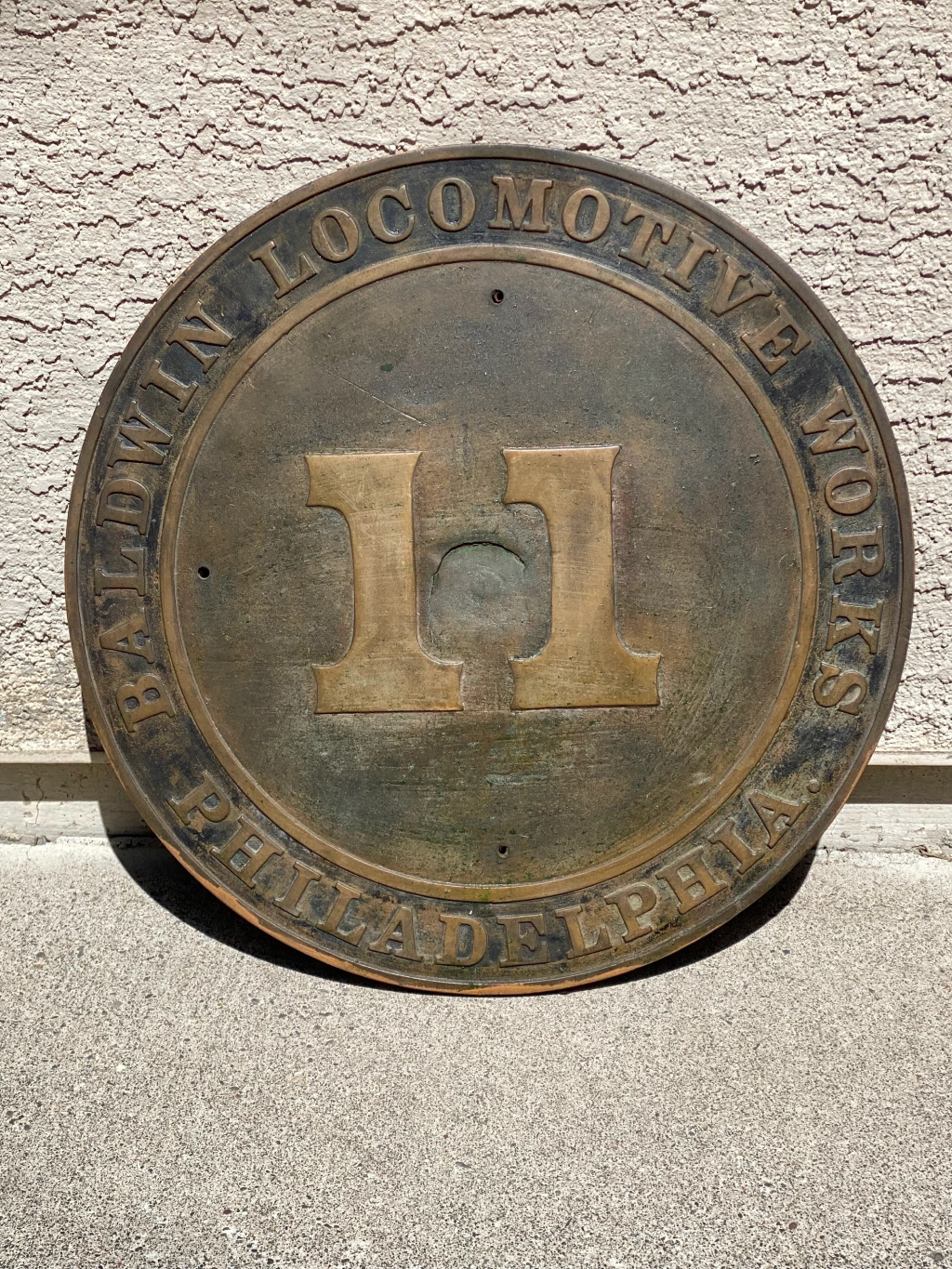
Original No. 11 number plate from the locomotive Reno, 2023. Artifact courtesy Thomas Gray.
The base metal of the original plate is a tin-bronze alloy, closest to C90500. For castings, alloy C90300 was used due to foundry availability but is nearly indistinguishable in color to C90500.
Two replica number plates were fabricated using an innovative technology, namely creating core molds directly from a 3D CAD file, thereby eliminating traditional patterns altogether for both the front and the back surfaces. This method also eliminates breakouts, which can occur when removing the traditional patterns from the core sand. The direct digital file also assures an exact planar core surface. Conversely, 3D printed patterns can introduce small but detectable warpage arising from thermal stresses that are inherent during the printing process for such a wide pattern.
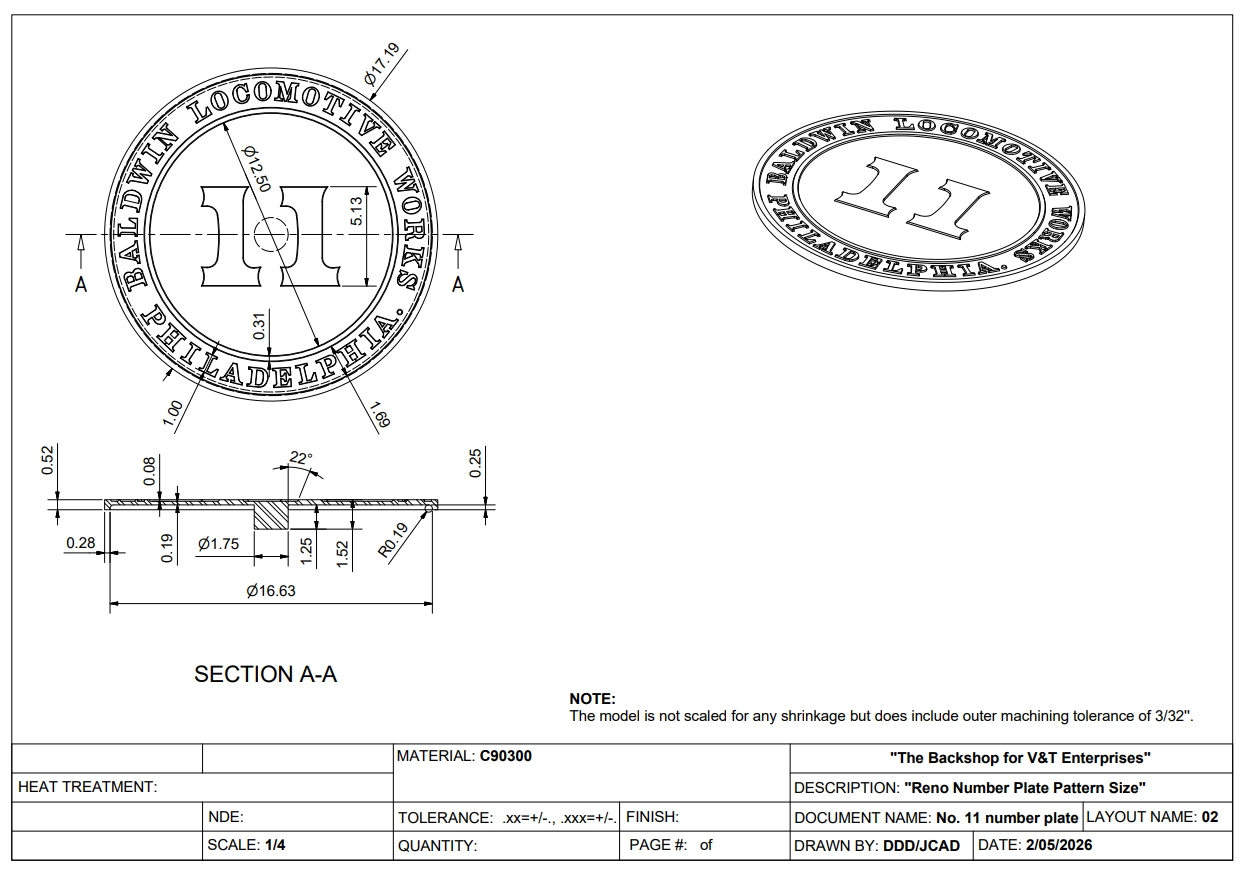
Dimensional PDF of the replica No. 11 number plate after casting. The 3D CAD model for the core mold was compensated for alloy shrinkage (3/16” per foot) and includes outer machining allowances for the final machined dimensions of the original artifact.
3D core molds were prepared by Humtown Additive in Boardman, OH, which also integrated all gating, risers, sprues and vents into two separate design components for the cope and the drag. These molds were fabricated over a 2 day period with 3D silica sand printing using binder jetting technology. The primary advantages of 3D sand printing over traditional casting are eliminating the physical pattern altogether and allowing for voids and intricate details that include complex gating and risers, all in one integrated monolithic design. Both the cope and drag were designed as two separate 3D CAD files and then sent to the 3D sand printer for fabrication. The final 3D sand printing for the drag is shown below and includes compensation for shrinkage.
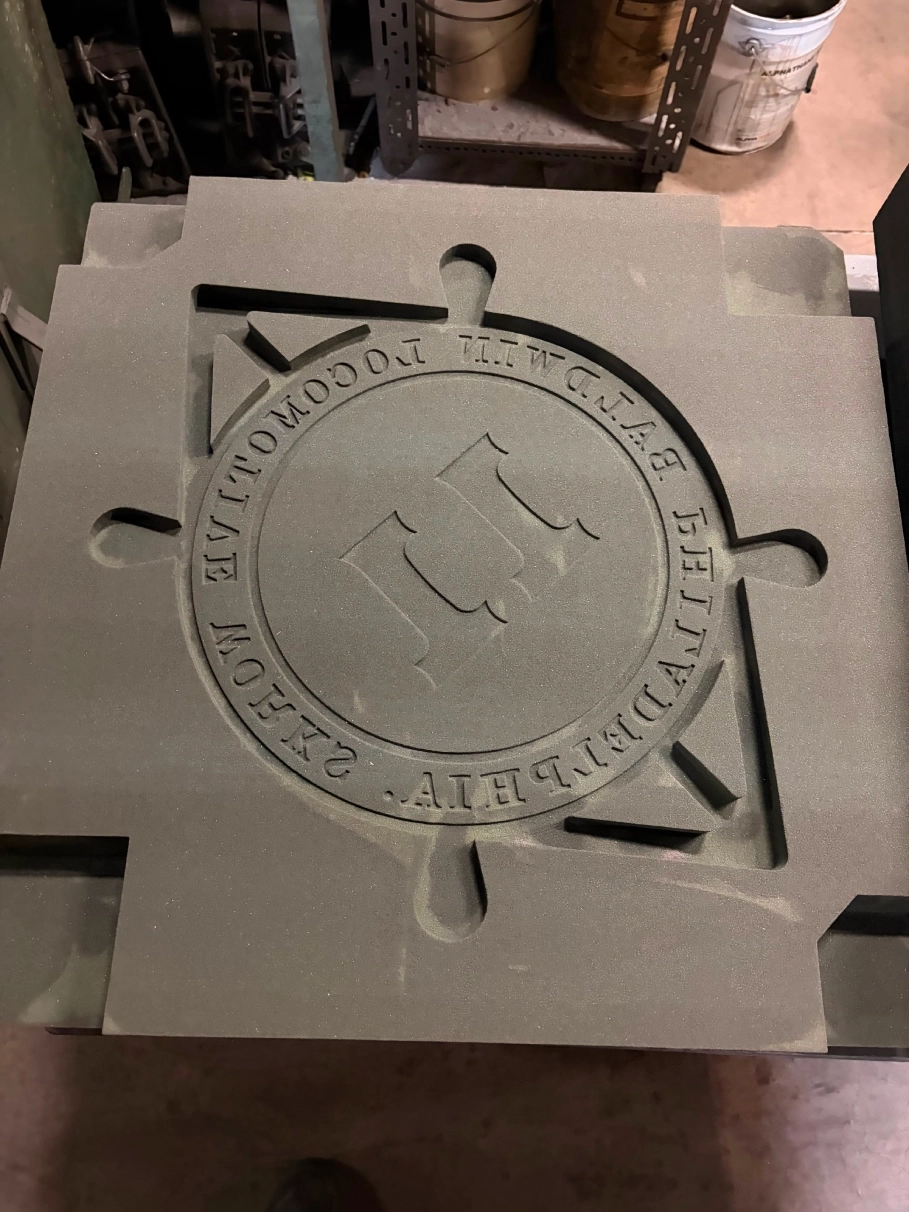
3D sand printing of the number plate drag as delivered by Hometown Additive to Flury Foundry Company, with remnant furan binder. Gating is shown at diagonal ends along with four teardrop risers at 90-degree intervals. Sprue and vent are located on the cope above the gating tip ends. Photo courtesy Tom Needham.
Both number plate castings were then sent to Bearon Manufacturing in Landisville, PA, first to center precisely and then machine, drill and tap the rear boss hole. Once the mounting boss holes were prepared, the outer plate rims were then machined down to their nominal 17” diameters. The number plates were then sent to Venezia Enterprises for final leveling and polishing of the concentric rings, lettering and numerals, including the outer rims around the front face. These plates were first cleaned in acetone and then coated with acrylic enamel spray paint.
The paint scheme for a second number plate set is based on the Reno’s Sept. 21, 1941 appearance in the Al Rose color photo. The inner gray-blue numeral background color is Pantone 4135 C with a surrounding outer black lettering background. Note the outermost letters and concentric rings on the number plate in this color photo are bronze like the nearby tulip oiler on the steam chest, whereas the “11” numerals appear to be brass like the steam chest jackets below. Since the number plate was cast as a single bronze alloy, the larger numerals were likely more polished than the letters in this photo. The bell, yoke, stanchions and finials are all bronze compared to the brass sand dome wrapper. We note the number plate on the Reno’s sister engine, the No. 12 Genoa, is a cast solid brass plate as ordered on its August 5, 1872, Baldwin engine specification.
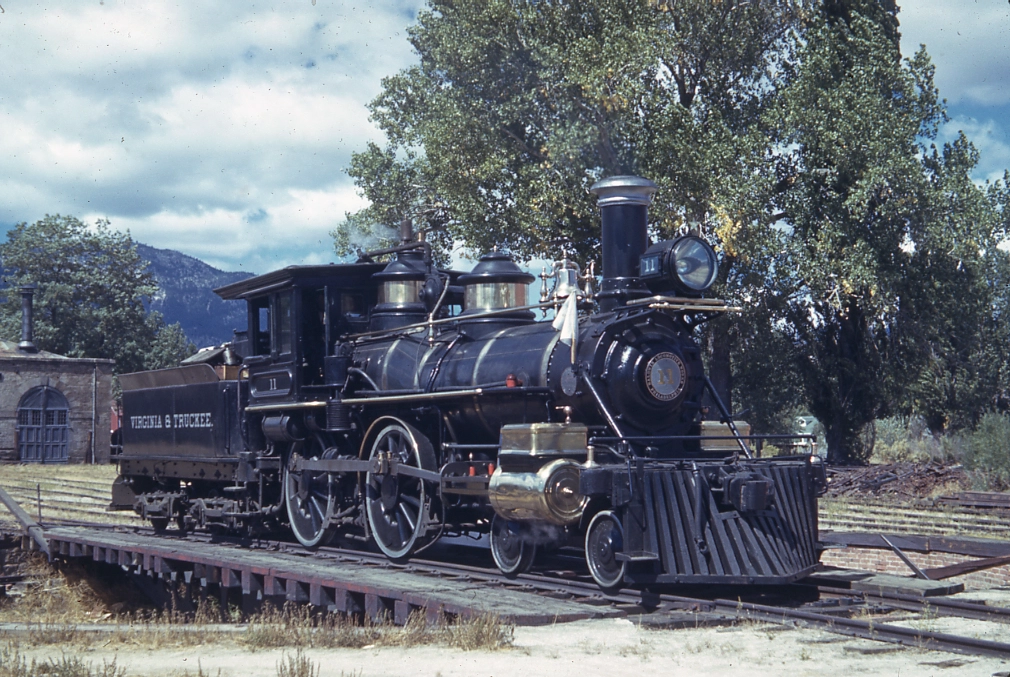
Al Rose photo of the Reno at Carson City, Sept. 21, 1941. Courtesy Western Railroad Museum.
No. 11 Reno number plate detail, Al Rose photo, 1941. Courtesy Western Railroad Museum. Note the brighter, yellow-toned numerals when compared to the surrounding bronze lettering. The same relative color contrast also appears on the original artifact shown above.
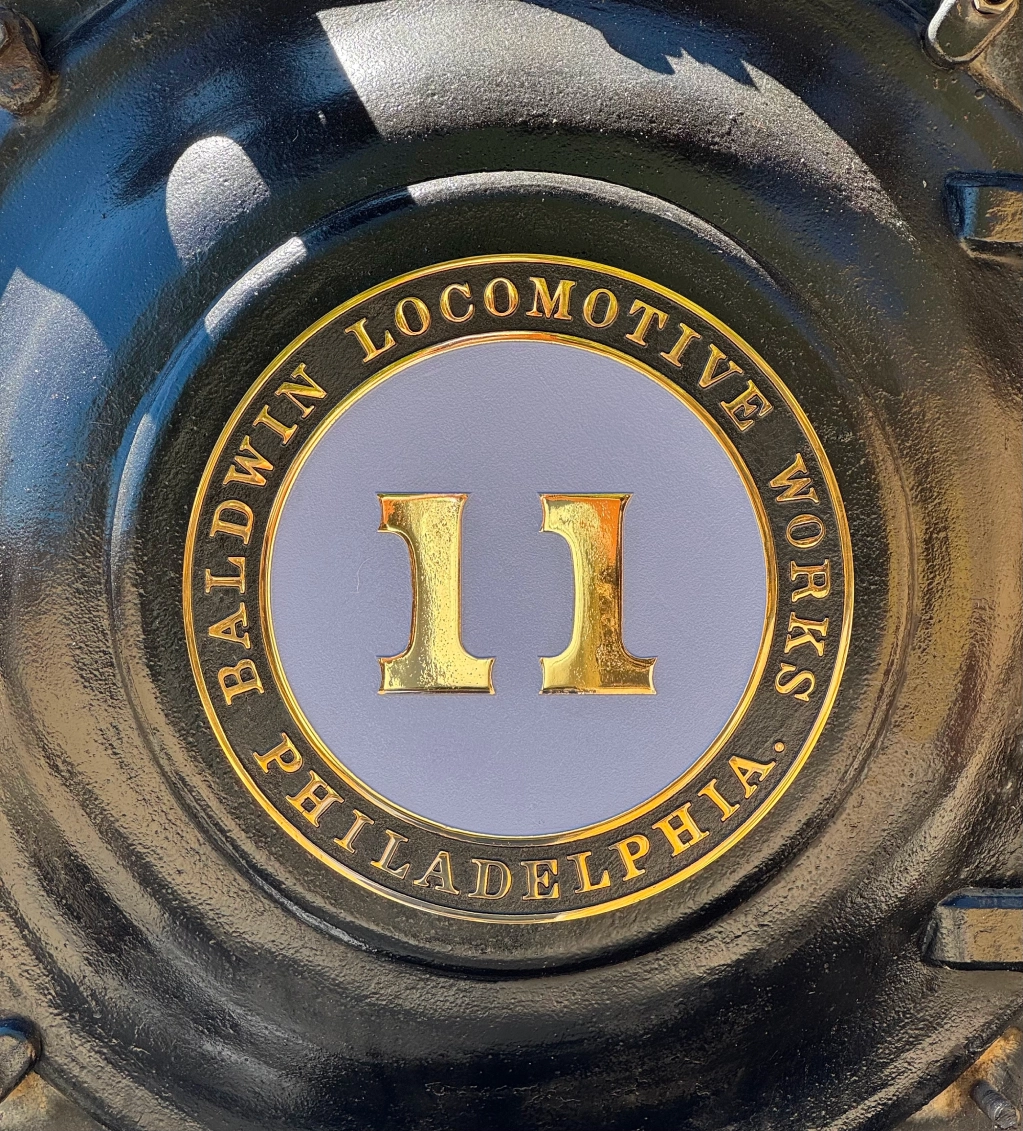
Replica 17” OD bronze Baldwin number plate on the V&T No. 11 Reno by V&T Enterprises. Background colors same as 1941 Al Rose detail of the Reno above.
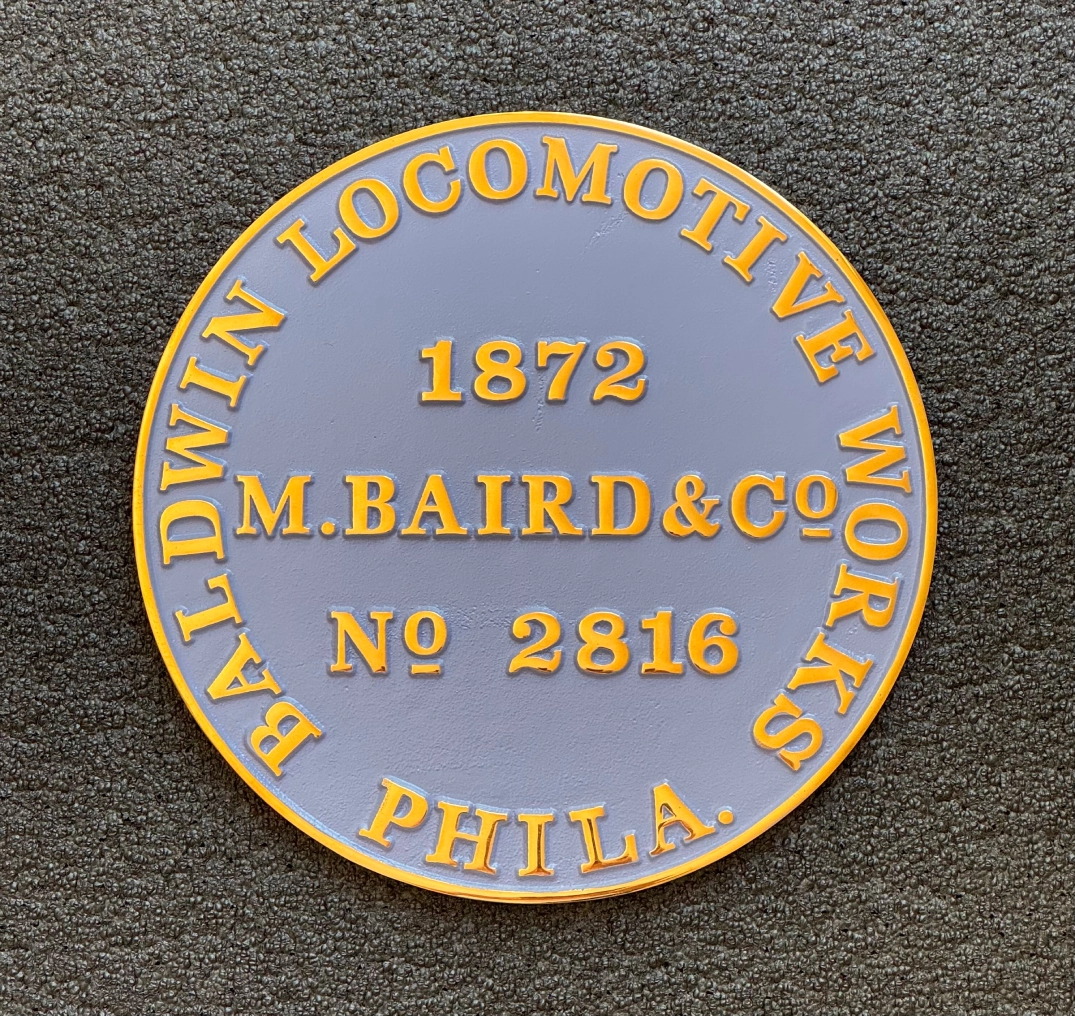
Replica 10 1/8” bronze Baldwin builder plate for the V&T No. 11 Reno by V&T Enterprises. Background color same as 1941 Al Rose detail of the Reno above.
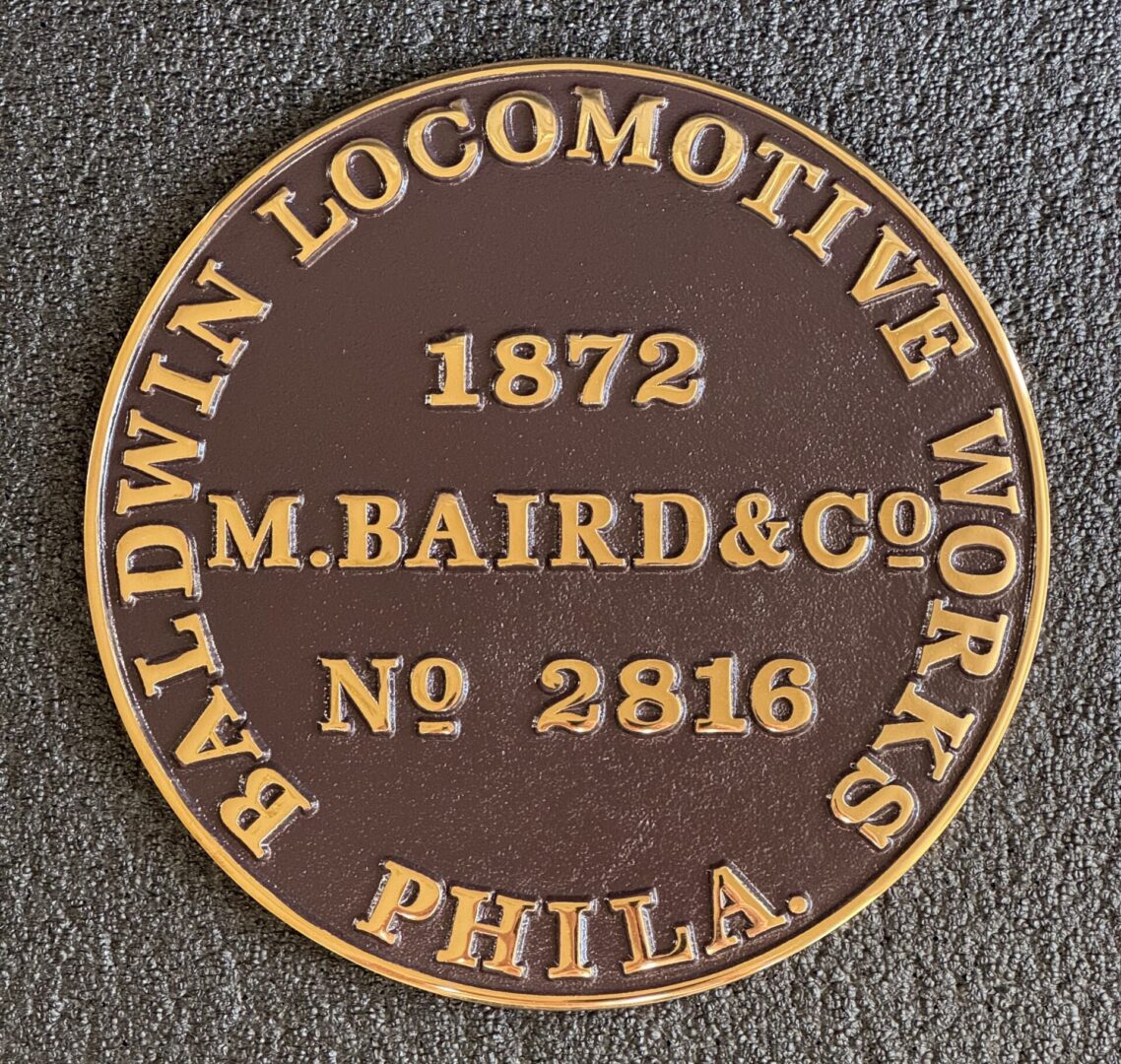
Replica Builder Plate with Baldwin Wine Color for the Reno made by V&T Enterprises.
As with most Baldwin builder plates, the manufacture date always appears along with the BLW name, city of origin (Phila.) and serial number. The Reno was no exception, and its original builder plate came with its 1872 date. Sometime during the early 20th century prior to a locomotive inspection by the Interstate Commerce Commission (ICC), the V&T chiseled off this date fearing the locomotive would not be federally certified due to its age. Well the Reno did pass its ICC inspection after all and went on to operate until 1978 at Old Tucson Studios, when its boiler was no longer deemed safe by the state of Arizona - after more than 100 years of operation!
Using an on-site tracing of the right builder plate (engineer’s side), a digital image of the lettering and border was first generated on a CAD system. The digital file was then sent to Dent Manufacturing, Inc. in Northampton, PA where a sand-casting pattern was made which also included all necessary gating. Bronze alloy C90500 was used to cast two flat replica builder plates that now show the original 1872 builder date. Note: to fit on the side of the 48 inch outer diameter boiler, the builder plate would have to be drilled and cylindrically contoured, either with a special plate bender or just hammered by hand like the original ones at the Baldwin Locomotive Works.
For drawing specifications of the replica builder plate, please contact V&T Enterprises at: info@vandtenterprises.com
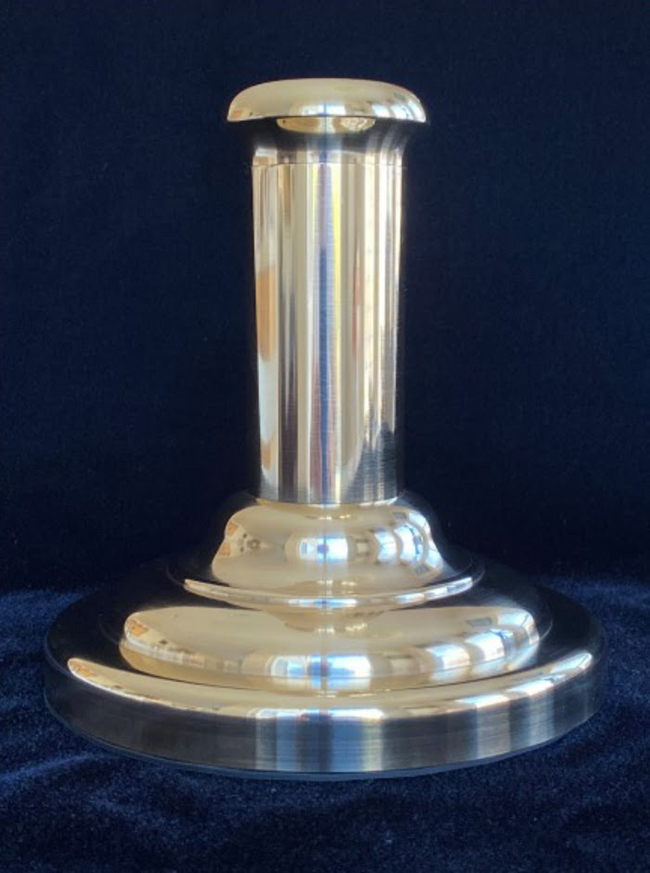
Pilot flag fixture replica by V&T Enterprises.
Pilot flag fixtures were common appliances on many late 19th-century locomotives ordered by the Virginia & Truckee Rail Road and others. As the name implies, prominent brass fixtures mounted on each end of the wooden pilot held signaling flags vital to the operation of the railroad, as well as decorative celebratory flags. A comparison of surviving artifacts on four V&T locomotives, the Genoa (1873), Empire (1873), Tahoe (1875), and Inyo (1875), shows these pilot flag fixtures are essentially the same and suggests the original Baldwin design and fabrication technology was unchanged during this same time period. (Current pilot flag fixtures on the Inyo do not appear to be Baldwin originals.) Moreover, the earliest known photographic record of the Reno (1872) by Carleton Watkins in 1878 clearly shows the same Baldwin flag fixture design and shape on the pilot. Unfortunately, the pilot flag fixtures on the Reno were reported missing sometime after the devastating fire at Old Tucson Studios in 1995 and are still unaccounted for to this day.
Two replica pilot flag fixtures were fabricated with identical exterior geometries as on the Genoa by ARRC North America in Carlsbad, CA. Starting with 2-D DXF line images, 3-D CAD images were then generated and verified against the same survey parameters from the original artifact. Both replicas were fabricated using more cost-effective CNC machining rather than historically accurate casting technology. For large-scale industrial fabrication, Baldwin, in fact, used casting because it was actually more cost-effective compared to traditional machining from solid metal stock. Regardless, the overall aesthetic appearance of these replicas is stunningly beautiful and recalls a period in late 19th-century American railroad technology when hand craftsmanship, not automation, was celebrated in functional yet artistically graceful components such as these.
For inquiries regarding the pilot flag fixtures, please contact V&T Enterprises at: info@vandtenterprises.com.
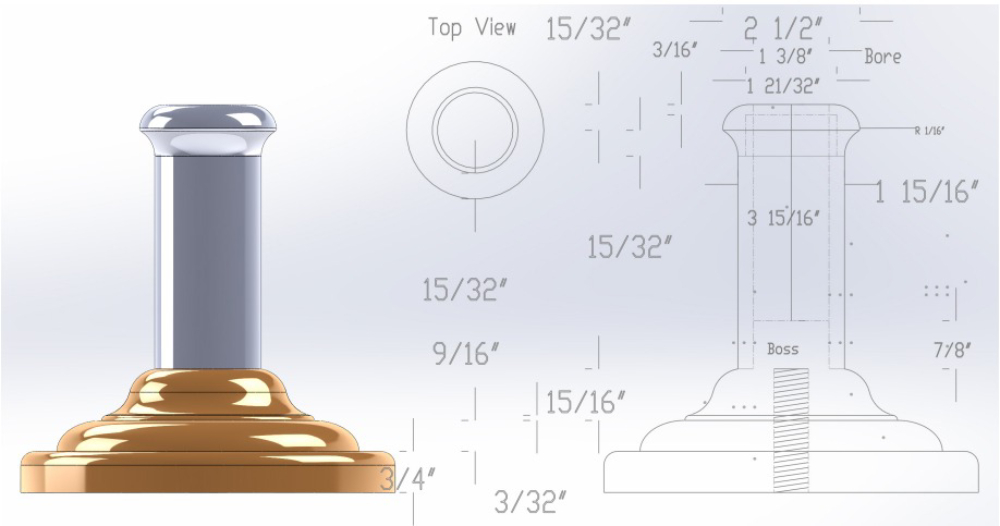
Pilot flag fixture specifications and 3-D CAD image for the Reno by V&T Enterprises.
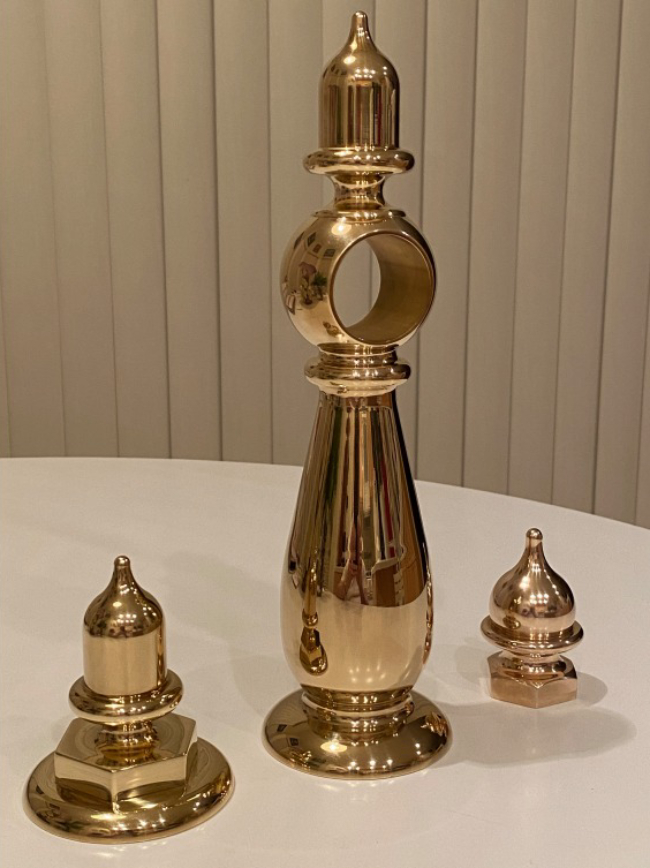
Handrail stanchion and finial replicas by V&T Enterprises.
The design origin of many decorative hardware pieces on the Reno can be traced back to the 1871 Baldwin Erection Drawing No. 20. Reeded acorn finials adorned the whistle, sand, and steam domes and bell on top of the boiler. This same style continued along the handrail stanchions, ends, and headlight platform bar and on the ends of the driver fenders and piston covers. With the exception of functional oilers, bell stanchions, and tallow pots on the steam chests, which were made of bronze, all other decorative hardware was made and maintained in highly polished bright yellow brass.
Starting from the drawing specifications for the handrail stanchion and finial, a digitized file in DXF format was prepared for CNC fabrication. These pieces were fabricated in Elkhart, Indiana, by DAKA Manufacturing, Inc., and polished at the same facility. (At one time, DAKA supplied specialty polished metal components for American LaFrance.)
For inquiries regarding the stanchion and finial, please contact V&T Enterprises at: info@vandtenterprises.com.
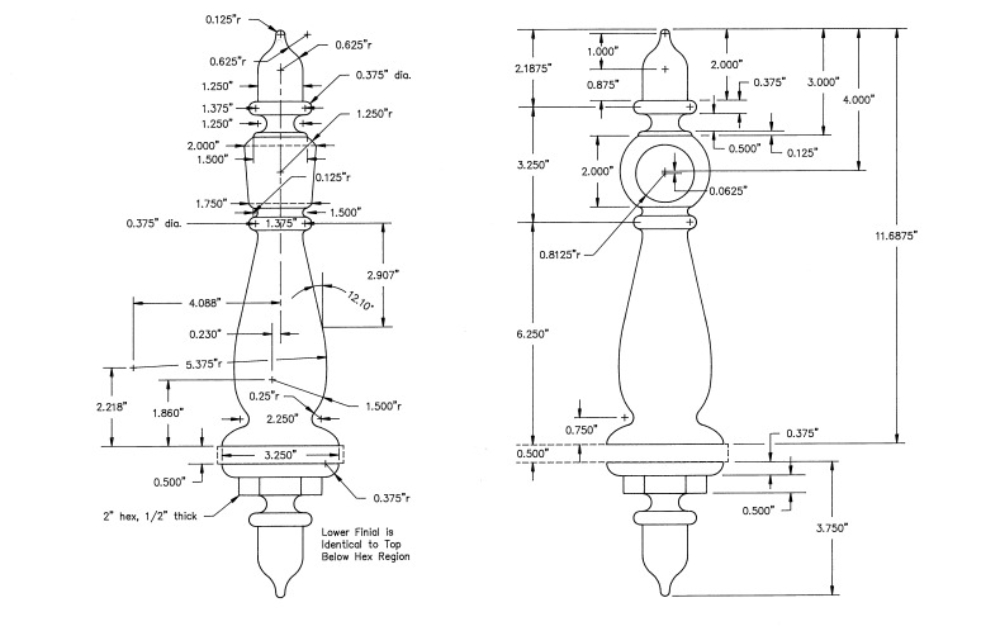
Handrail stanchion and final specifications for the Reno by V&T Enterprises.
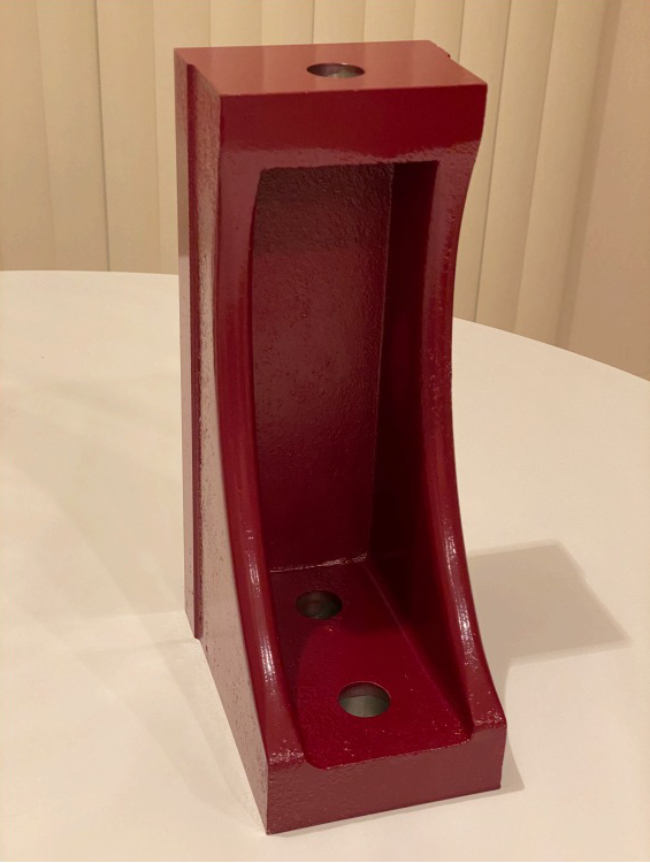
Tender truck pedestal replica by V&T Enterprises.
Pedestal replicas for Reno’s tender trucks were fabricated in 10-70 high carbon steel by Horizon Metals in Nephi, Utah. The raw castings were then machined for bolt holes and planed flat along the top, bottom, and side surfaces to ensure an even fit for their journal box. The sand casting pattern was fabricated according to the pedestal measurements and specifications and included compensation for alloy shrinkage. Each finished pedestal weighs 28.4 pounds.
All 16 pedestals were cleaned and coated with a white metal primer. The final color coat applied was guided by the original 1872 Baldwin painting specifications for the Reno: best Passenger. This paint scheme includes a background color referenced by Baldwin as Wine. Since no original sample or specification exists, a reasonable approach was to use the same research-based paint scheme on the UP 119 locomotive replica at the Golden Spike National Historic Site in Utah. Specifically, the tender of the UP 119 is painted a deep ruby color, which indeed looks like a glass of wine. The corresponding Pantone Management System (PMS) color code for this hue is Pantone 7421 C: Pantone Rubine 75.00, Pantone Yellow 8.00, and Pantone Black 17.00.
For inquiries regarding these pedestals, please contact V&T Enterprises at the following address: info@vandtenterprises.com.

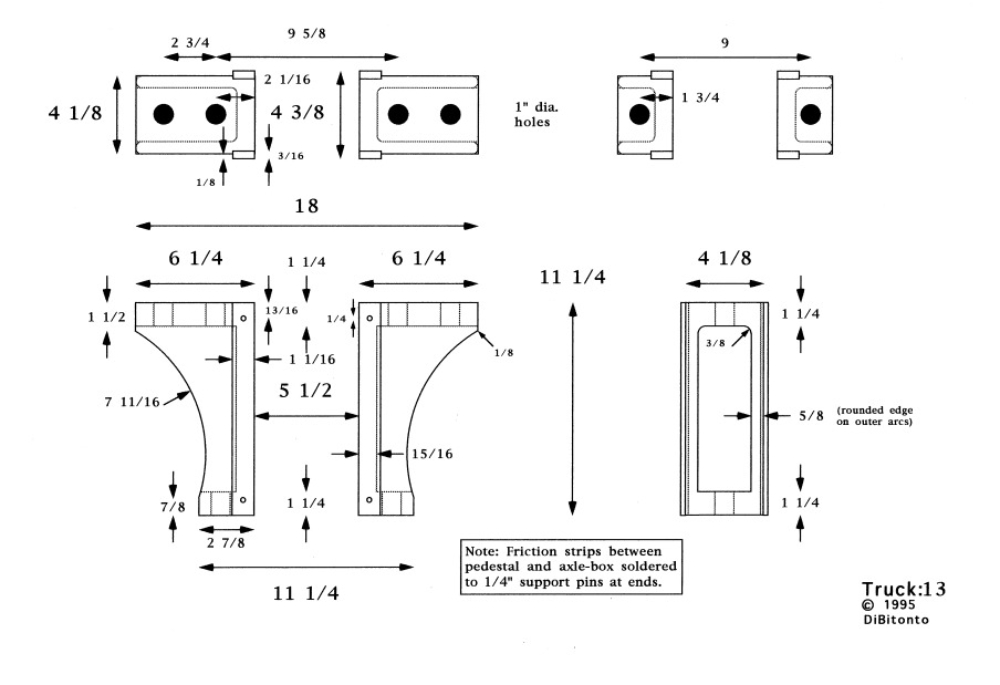
Tender truck pedestal specifications for the Reno by V&T Enterprises.